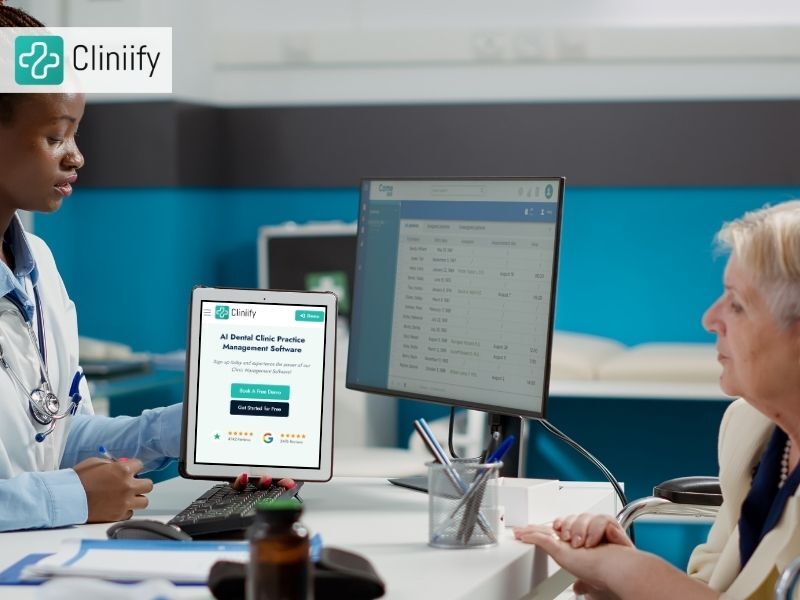
How to Manage Multi-Clinic or Chain Clinics Efficiently — Tips from Successful Practices
As healthcare practices grow, many clinics expand into multiple locations or build full-scale clinic chains. While growth brings opportunity, it also introduces operational complexity. Managing multiple clinics requires more than clinical expertise — it demands strong systems, consistent processes, and centralized control.
Successful multi-clinic practices don’t rely on manual coordination or fragmented tools. Instead, they follow structured operational strategies that allow them to scale without compromising patient care or efficiency. Here’s how you can manage multi-clinic or chain clinics effectively.
Centralize Operations Across All Locations
One of the biggest mistakes growing clinics make is running each location independently. This leads to inconsistent workflows, reporting gaps, and poor visibility.
Centralizing operations allows you to:
- Manage appointments from a single dashboard
- Standardize billing and payment processes
- Monitor staff performance
- Track patient flow across locations
A centralized system ensures leadership always has a clear view of how each clinic is performing.
Standardize Clinical & Administrative Workflows
Consistency is critical when managing multiple clinics. Patients should receive the same level of service regardless of location.
Standard workflows help ensure:
- Uniform appointment scheduling
- Consistent billing and treatment estimates
- Standard patient communication
- Smooth onboarding of new staff
Documented processes also make it easier to train teams and expand into new locations faster.
Use Unified Patient Records
In chain clinics, patients may visit different locations for convenience. Without unified records, patient history becomes fragmented, leading to delays and errors.
A centralized electronic health record (EHR) system allows:
- Access to patient history from any location
- Better continuity of care
- Reduced paperwork
- Faster decision-making
This improves patient trust and enhances overall experience.
Manage Staff & Roles Effectively
Multi-clinic setups often involve rotating doctors, shared staff, and multiple teams. Without proper role management, scheduling conflicts and inefficiencies are common.
Effective practices focus on:
- Role-based access control
- Centralized staff scheduling
- Performance tracking
- Clear accountability
This ensures smooth coordination while maintaining operational control.
Maintain Consistent Patient Experience
A strong clinic brand depends on consistency. Patients expect the same quality of care, communication, and professionalism across all locations.
To maintain consistency:
- Use standardized appointment reminders
- Ensure similar in-clinic workflows
- Maintain consistent branding and messaging
- Monitor patient feedback across locations
Consistent experience builds trust and encourages repeat visits.
Track Performance with Centralized Reporting
Without proper reporting, managing multiple clinics becomes guesswork. Successful practices rely on real-time data to make informed decisions.
Key metrics to track include:
- Appointment utilization
- Revenue by location
- No-show rates
- Treatment acceptance rates
- Staff productivity
Centralized reporting helps identify underperforming clinics and optimize operations.
Ensure Compliance & Data Security
With multiple locations handling patient data, compliance becomes more complex. Secure systems are essential to protect sensitive medical information.
Best practices include:
- Centralized access control
- Secure cloud-based storage
- Audit logs
- Compliance with healthcare data regulations
This protects both patients and the clinic’s reputation.
Plan for Scalability from Day One
The most successful chain clinics design systems that scale easily. Adding a new clinic should not require rebuilding processes from scratch.
Scalable systems help with:
- Faster clinic onboarding
- Easy staff training
- Seamless system integration
- Consistent patient experience
This allows leadership to focus on growth instead of operational chaos.
Conclusion
Managing multi-clinic or chain clinics efficiently requires structure, visibility, and consistency. Centralized systems, standardized workflows, unified patient records, and real-time reporting are the foundations of successful scaling.
Cliniify helps growing clinics and healthcare chains manage multiple locations effortlessly through centralized dashboards, smart workflows, and scalable clinic management tools. Start scaling your clinic network with confidence using Cliniify.